Downtime Costs More Than Maintenance
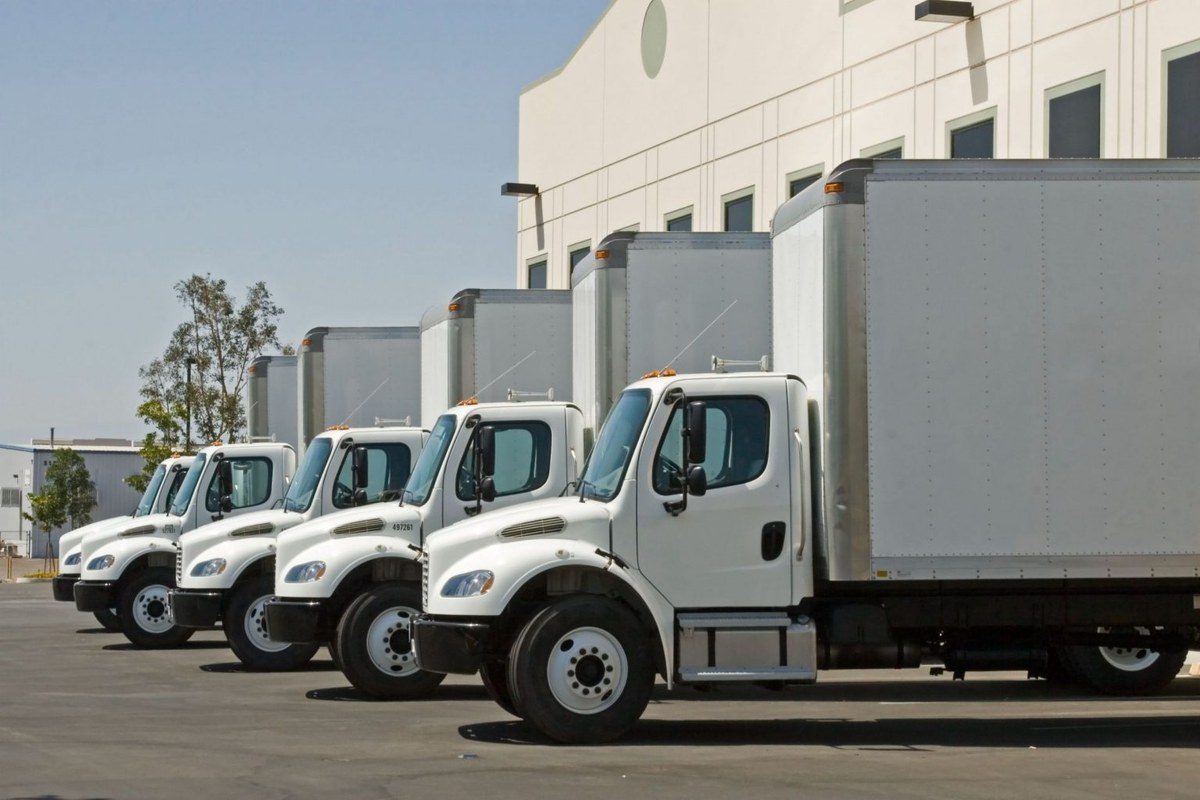
Ask a plumber what a broken-down van costs and they will not give you the repair bill. They will tell you about the three jobs that moved to next week, the customer who called someone else, and the apprentice who sat in the yard all day getting paid.
That is the number that matters, and it is the reason fleet maintenance is a different conversation from car maintenance.
The arithmetic most owners already know
A family car that needs a water pump is an inconvenience. Somebody borrows a vehicle, the week reshuffles.
A work truck that needs a water pump is a day of revenue, plus a wage you paid for nothing, plus a customer who now knows what it feels like to be let down by you. The repair is often the smallest line in that.
Which flips the usual logic. For a personal vehicle, deferring a repair that is not urgent can be a reasonable financial decision. For a work vehicle, deferring it is usually the expensive choice, because the failure will not schedule itself for a convenient Tuesday. It will happen at the far end of a job, in the rain, in October.
What scheduled service actually buys
Not the illusion that nothing will ever break. Everything breaks eventually. What it buys is choosing when.
A belt replaced on a Tuesday morning because it was cracking is a planned hour. The same belt letting go on Highway 56 is a tow, a lost day and an overheated engine that may now need more than a belt.
That is the entire value proposition, and it is why fleet operators think about maintenance completely differently from retail customers. They are not buying parts. They are buying predictability.
The things that strand a work vehicle
After enough of them come through, the pattern is fairly consistent.
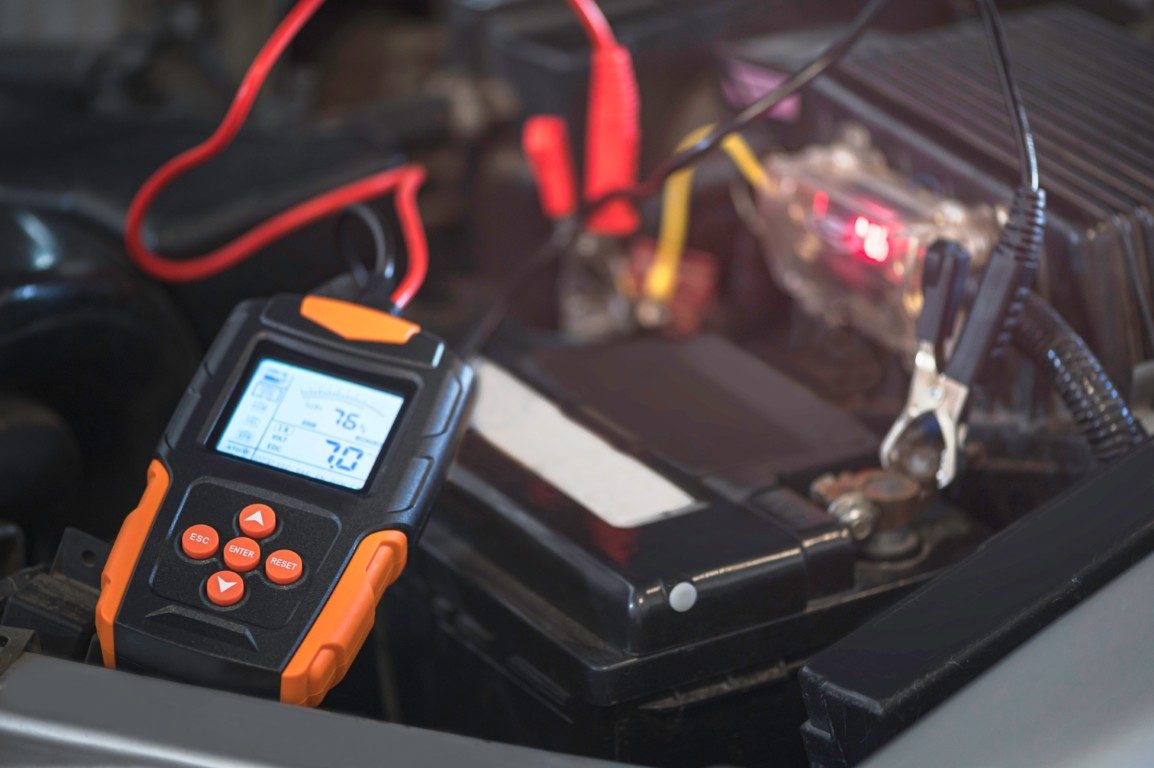
Batteries and charging. Work vehicles do short runs with heavy electrical loads — lift gates, inverters, radios, tools on charge. That is hard on a battery and it is the single most common no-start we see. A battery tested twice a year is a five-minute job that prevents a morning lost.
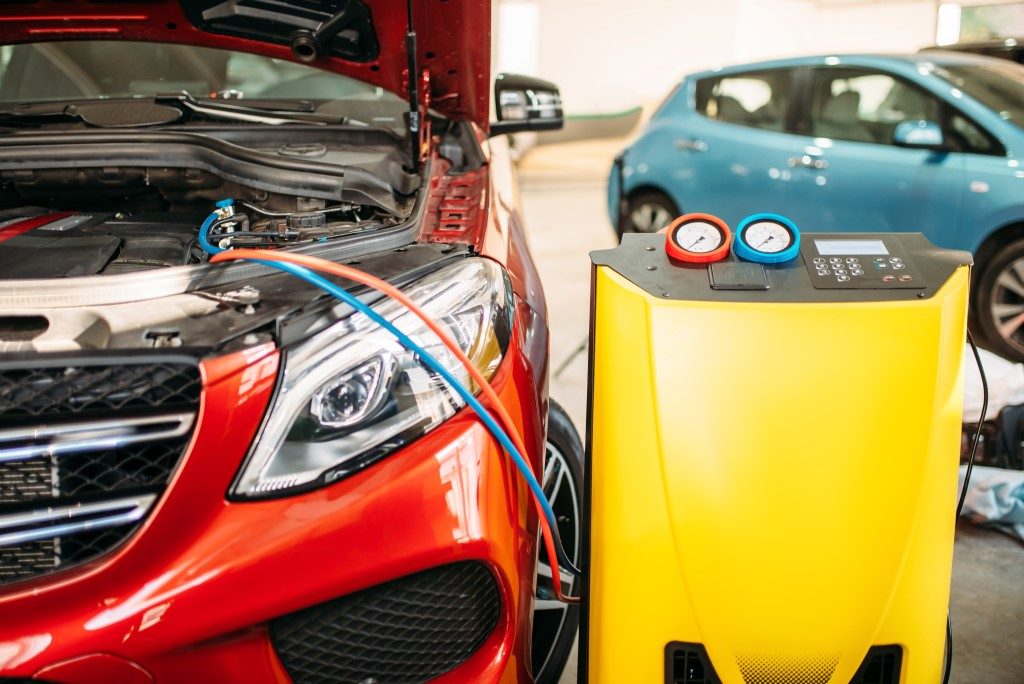
Cooling systems that idle. Idling in a yard in August is harder on a cooling system than driving is, because there is no airflow through the radiator. Hoses and water pumps on vehicles that idle a lot need looking at sooner than mileage alone would suggest.
Brakes on loaded vehicles. A van carrying a ton of tools and stock wears brakes at a very different rate from the same van empty. Mileage-based intervals underestimate it.
Tires under load. Underinflated tires on a loaded vehicle run hot, wear on the shoulders and fail at speed. They also cost fuel every single mile in the meantime.
Diesel emissions systems. DPF and DEF faults strand more work trucks around here than engine failures do, and short-trip duty cycles are exactly what causes them, because the system never gets hot enough to regenerate properly.
None of those are exotic. All of them are cheap to catch and expensive to be surprised by.
Why the paperwork matters more than people expect
The thing fleet owners complain about is rarely the mechanical work. It is the administration — a stack of invoices from three shops, no record of what was done to which vehicle, and no idea when anything is next due.
That is why Moxie Fleet Priority is built the way it is. One invoice at the end of the month on net 30 terms, with PO numbers where you need them. A pre-approved repair limit so routine work happens without a phone call for every item. History kept per vehicle, so when a truck comes in we already know what it had done in March. And reminders that go out before something is overdue rather than after.
We collect and return the vehicles at no charge, which matters more than it sounds like it should. Getting a truck serviced normally costs you two people and two vehicles for part of a day. It should not.
Where to start
If you run two or more vehicles, the useful first step is not a service. It is an inspection of the fleet so you know what you are actually sitting on — which vehicles are fine, which need something now, and which need something in the next few months so you can plan it around your work rather than around a breakdown.
That is a conversation, not a sale. Call the shop and we will set it up.
Call or text (620) 416-0008. Describe the noise. We'll do the rest.
We answer texts the same day we get them.