An O₂ Sensor Code Rarely Means a Bad O₂ Sensor
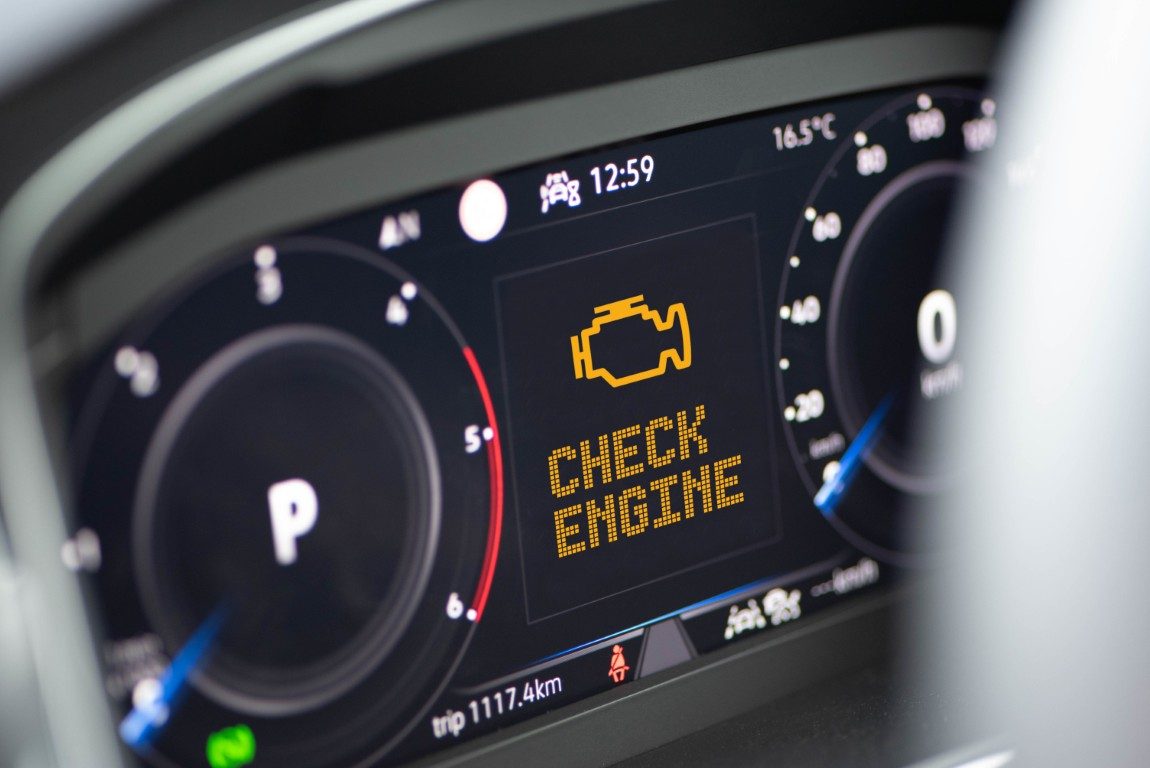
You get your code read for free at a parts store. It comes back P0171, and the printout says “System Too Lean, Bank 1.” The person behind the counter helpfully points at the oxygen sensors on the shelf.
Here is the problem with that. P0171 does not mean the oxygen sensor is broken. It means the oxygen sensor is working correctly and reporting that there is too much air and not enough fuel in the exhaust. The sensor is the witness, not the culprit.
What a code actually is
Your engine runs a continuous loop. It estimates how much air is coming in, adds what it calculates to be the right amount of fuel, burns it, then reads the exhaust to check whether it got the ratio right. If the exhaust says the mixture was wrong, the computer adjusts and tries again.
A trouble code is logged when that adjustment runs out of room. The computer has pushed its correction as far as it can and the exhaust still is not reading correctly. So it sets a code naming the circuit where the discrepancy shows up.
That is genuinely useful information. It is just not a diagnosis. Something between the air filter and the tailpipe is not behaving, and the code narrows it to a system.
The same code, five different repairs
For that lean code, any of these will do it:
A vacuum leak. A cracked intake hose or a perished gasket lets air into the engine after the sensor that measures airflow, so the computer never counts it. Genuinely the most common cause, and the cheapest.
A dirty mass airflow sensor. It under-reports how much air is coming in, so the computer adds too little fuel.
A weak fuel pump or a clogged filter. Enough fuel at idle, not enough under load.
A leaking exhaust manifold gasket upstream of the sensor, pulling fresh air into the exhaust stream and fooling the reading.
And yes, occasionally, an oxygen sensor that has actually failed.
Replace the sensor when the real cause was a five-dollar cracked hose and you have bought a part, paid for labour, and the light comes back on in three days. That is the outcome free code reading produces more often than anybody admits.
What we do instead
We start with the code, because it tells us where to look. Then we test.
We watch live data while the engine runs — what the airflow sensor is reporting, what the fuel trims are doing at idle versus under load, what the oxygen sensors are actually seeing. Fuel trim values in particular tell you a great deal. A lean condition that is bad at idle and improves as revs rise points at a vacuum leak. One that is fine at idle and goes lean under load points at fuel delivery. Same code, opposite direction.
If we suspect a leak, we find it rather than guessing. A smoke machine fills the intake with harmless vapour and the leak shows itself.
Then we test the specific component before condemning it. And after the repair, we clear the code and confirm it stays gone, because a fault that returns two weeks later was never actually fixed.
Why we charge for that
This is the question we get most, and it is fair.
The free code read is a thirty-second job with a hundred-dollar tool. What we are charging for is the hour or two of testing that turns “something in this system is wrong” into “this specific part has failed, here is the evidence.” That time is the thing that stops you buying three parts to fix one problem.
Think of it as buying the right answer once rather than a series of educated guesses.
One thing worth knowing
If your check engine light is flashing rather than steady, that is a different situation. A flashing light usually means the engine is misfiring badly enough to dump raw fuel into the exhaust, and a catalytic converter will not survive much of that. Catalytic converters are one of the most expensive parts on a modern vehicle.
Steady light, book it in this week. Flashing light, pull over and call us.
Call or text (620) 416-0008. Describe the noise. We'll do the rest.
We answer texts the same day we get them.